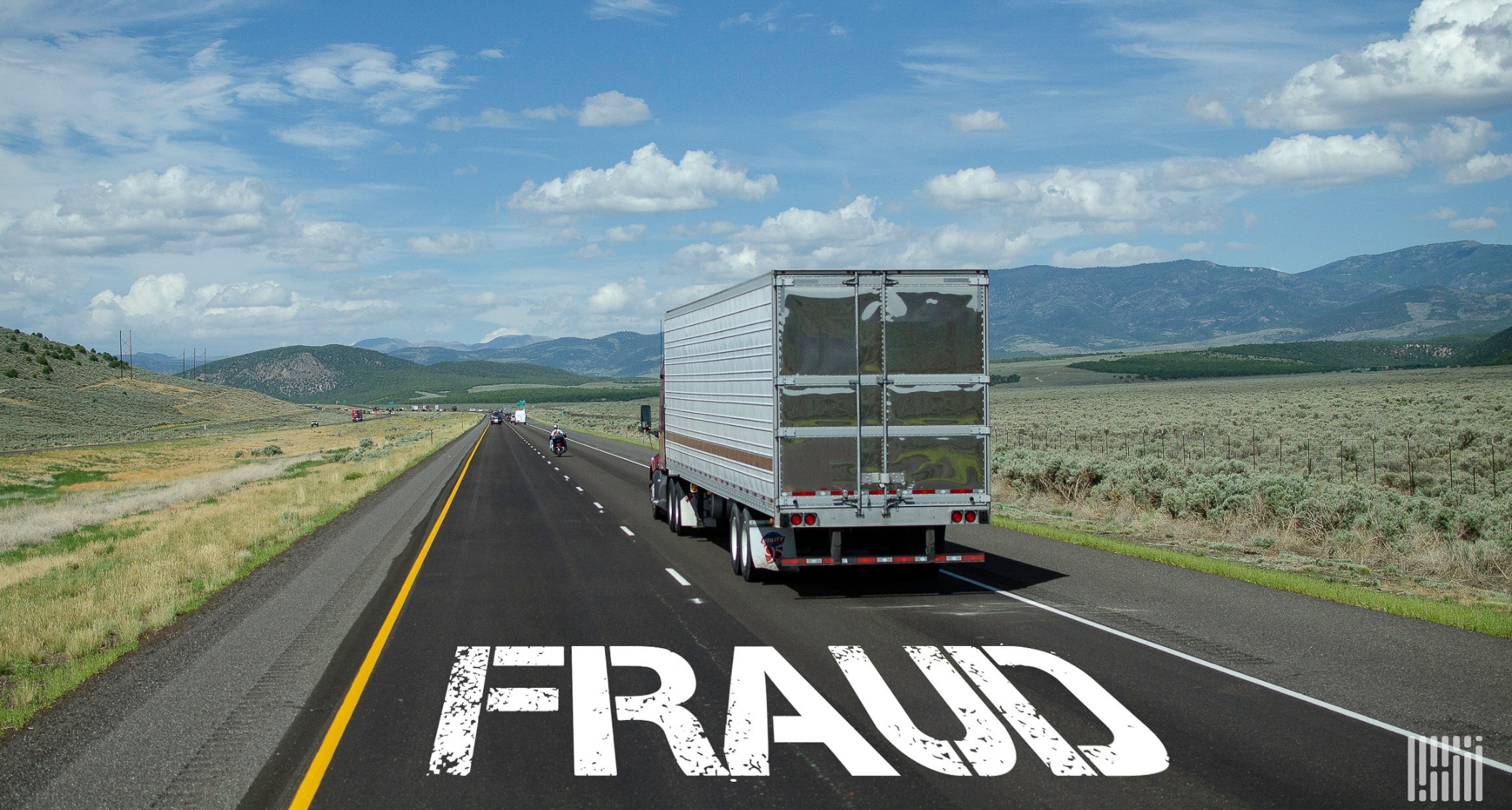
Freight fraud is no longer limited to stolen trailers or forged paperwork. Today’s threats are digital, coordinated, and increasingly sophisticated. As technology advances across the transportation sector, so do the tactics used by bad actors looking to exploit vulnerabilities.
The good news is that the industry is responding.
The National Motor Freight Traffic Association has announced a new verification tool called SCAC Verified, launching February 26. This initiative adds an additional layer of identity verification for non-Class 8 carriers at the time of Standard Carrier Alpha Code registration or renewal. The goal is simple. Reduce confusion, reduce fraud, and increase trust across the supply chain.
Why SCAC Verification Matters
A Standard Carrier Alpha Code, commonly referred to as a SCAC, plays a vital role in identifying transportation providers. Fraudsters have increasingly targeted weak points in registration systems, impersonating legitimate carriers to divert loads or intercept freight payments.
SCAC Verified introduces identity and address verification at registration or renewal. For non-Class 8 carriers, this extra step helps confirm legitimacy before business relationships are formed.
For manufacturers, distributors, and pallet suppliers, this type of verification reduces the risk of handing over valuable freight to the wrong party. When freight moves on pallets across state lines, the financial exposure can be significant. A single diverted load can impact inventory levels, customer relationships, and cash flow.
Cybersecurity Is Now a Team Sport
During a recent NMFTA cybersecurity webinar, one theme stood out. Collaboration.
Cybersecurity is not a siloed function. It requires coordination across fleets, brokers, shippers, and infrastructure providers. The 2026 Transportation Industry Cybersecurity Trends Report highlighted how threat actors are evolving into enterprise-like operations. Social engineering remains the most common attack vector, while cyber-enabled cargo crime continues to grow.
In practical terms, that means phishing emails, fraudulent load boards, identity spoofing, and manipulated digital documentation are now part of the risk landscape.
For businesses in the pallet industry, this extends beyond trucks and terminals. Order confirmations, billing systems, and vendor communications all represent potential entry points for fraud.
The Hidden Risk to Pallet Operations
Pallet companies often operate at the foundation of freight movement. Every load begins and ends on a pallet. That makes pallet suppliers critical participants in a secure supply chain.
Freight fraud impacts pallet operations in several ways:
-
Diverted loads can lead to unpaid invoices and lost inventory.
-
Fake carrier pickups can remove pallets and freight from warehouses without proper authorization.
-
Cyber breaches can expose customer data and payment information.
-
Disrupted shipments can strain production schedules and customer trust.
As the transportation industry adopts stronger digital safeguards, pallet suppliers must also align with best practices in verification and cybersecurity.
Strengthening Supply Chain Integrity
Industry organizations like NMFTA are expanding partnerships across federal agencies, research labs, private fleets, and trade associations to address these risks. The introduction of SCAC Verified represents one step in a broader effort to modernize freight security.
For Georgia manufacturers and logistics operators, the takeaway is clear. Due diligence in carrier verification is no longer optional. Digital hygiene and cross-team communication are part of operational excellence.
At Newnan Pallet Company, we understand that security is more than physical durability. It includes reliable documentation, verified partnerships, and disciplined internal processes. Strong pallets protect freight. Strong systems protect businesses.
Practical Steps for Manufacturers and Pallet Suppliers
As freight fraud prevention becomes a priority across the industry, consider these actions:
-
Verify carrier credentials using trusted industry tools.
-
Confirm pickup authorizations through multiple communication channels.
-
Train warehouse teams to recognize suspicious documentation or last-minute changes.
-
Secure digital systems with updated authentication and password protocols.
-
Collaborate with logistics partners to share threat awareness.
Prevention is always less costly than recovery.
Freight fraud is evolving, but so is the industry’s response. Tools like SCAC Verified demonstrate a commitment to strengthening transportation integrity at every level. For pallet companies, manufacturers, and distributors across Georgia, staying informed and proactive protects more than shipments. It protects reputation, revenue, and long-term growth.In today’s logistics environment, security is not an add-on. It is part of doing business well.